Book Appointment Now

Outdoor Elevator: Types, Uses, and Advantages
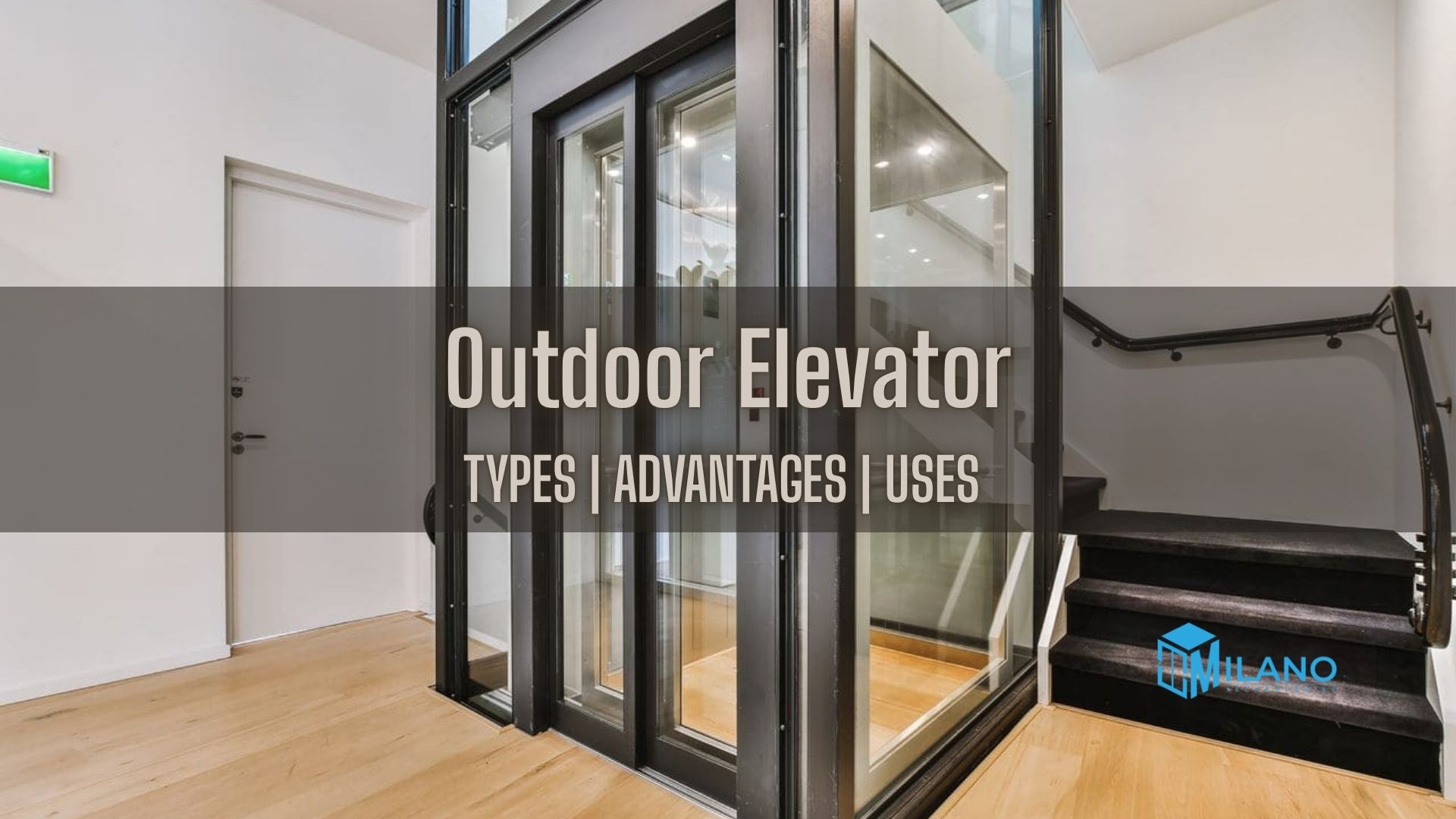
Outdoor elevators are specialized vertical transportation systems designed to operate outside buildings. They provide safe and convenient access between different levels, especially in locations where indoor installation is not possible. From residential homes and commercial buildings to public spaces, outdoor elevators improve accessibility, enhance property value, and offer practical solutions for elevation challenges.
This complete guide explores outdoor elevators, their types, uses, and advantages, helping you understand why they are an essential feature in modern architecture.
What Is an Outdoor Elevator?
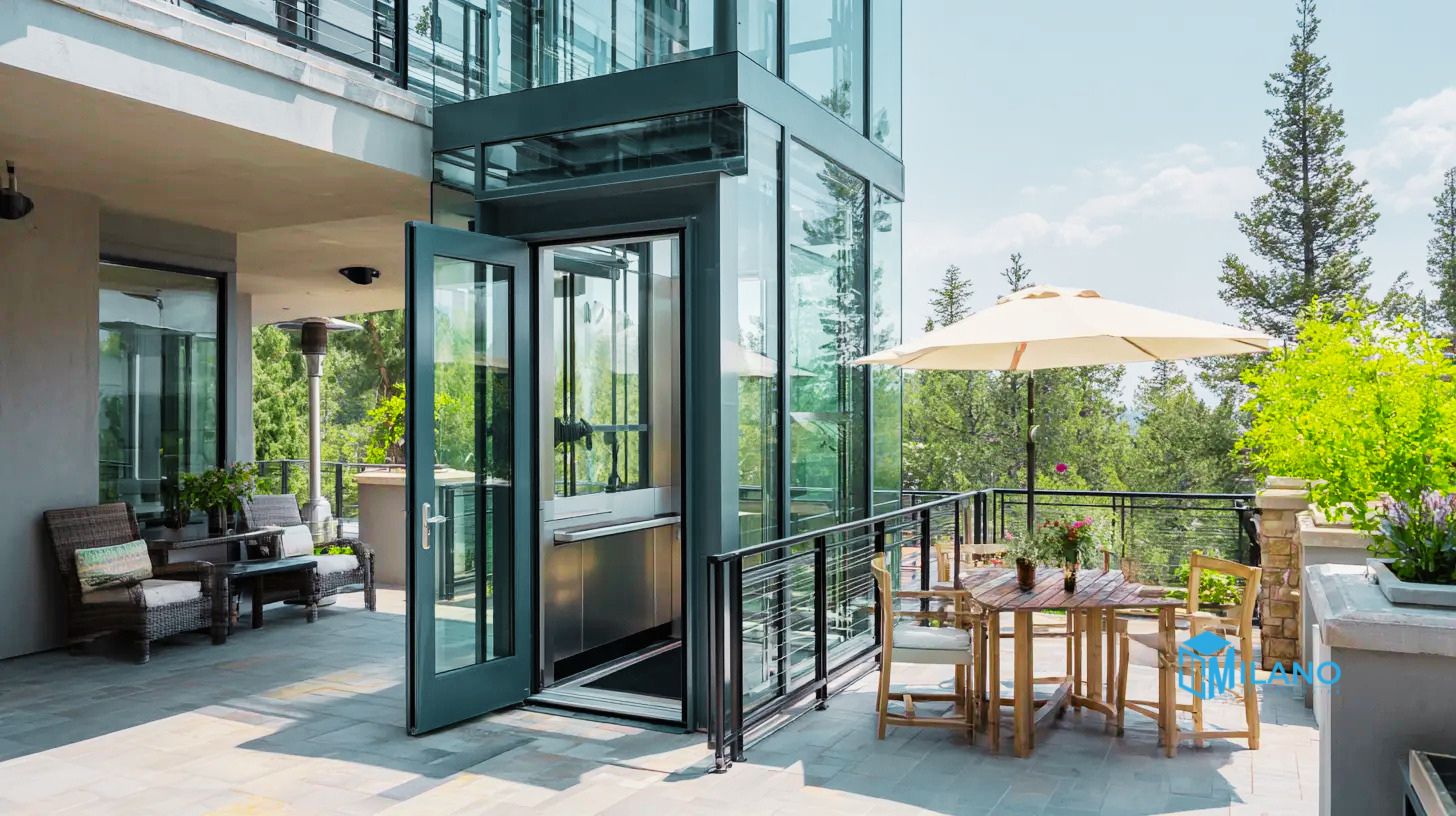
An outdoor elevator is a lift system installed on the exterior of a building. Unlike indoor elevators, these systems are built with weather-resistant materials to withstand environmental conditions such as rain, heat, and wind.
Outdoor elevators typically include:
- Weatherproof cabin or platform
- Durable structural framework
- Safety enclosures and railings
- Advanced control and safety systems
These elevators are commonly used in homes, commercial properties, and public areas where accessibility and convenience are required.
Types of Outdoor Elevators
Outdoor elevators come in different types depending on design, technology, and usage requirements.
1. Hydraulic Outdoor Elevators
Hydraulic elevators use fluid pressure to move the elevator cabin between floors. They are commonly used in low-rise buildings.
Benefits of Hydraulic Outdoor Elevators
- Smooth and quiet operation
- Suitable for heavy loads
- Reliable performance
- Ideal for residential use
These elevators are often installed in homes and small commercial properties.
2. Traction Outdoor Elevators
Traction elevators use cables and a counterweight system powered by a motor. They are suitable for taller buildings and frequent use.
Advantages of Traction Outdoor Elevators
- Faster operation
- Energy-efficient performance
- Suitable for multi-story buildings
- Long lifespan
They are commonly used in commercial buildings and high-rise structures.
3. Pneumatic acuum(V) Outdoor Elevators
Pneumatic elevators operate using air pressure to move the cabin. They have a modern design and require minimal structural changes.
Features of Pneumatic Outdoor Elevators
- Compact and stylish design
- Minimal construction requirements
- Energy-efficient system
- Easy installation
These elevators are ideal for modern homes with limited space.
4. Platform Outdoor Elevators
Platform elevators are designed for accessibility, especially for wheelchair users. They provide safe and easy vertical movement for individuals with mobility challenges.
Benefits of Platform Elevators
- Easy accessibility
- Compact structure
- Cost-effective solution
- Suitable for residential and public use
Common Uses of Outdoor Elevators
Outdoor elevators are used in various environments where accessibility and convenience are essential.
1. Residential Applications
To increase comfort and accessibility, homeowners construct outdoor lifts.
Common uses include:
- Access to upper floors
- Entry to raised porches or decks
- Movement between garden levels
- Assistance for elderly or disabled individuals
2. Commercial Buildings
Businesses use outdoor elevators to improve customer access and operational efficiency.
Examples include:
- Hotels and resorts
- Office buildings
- Shopping centers
- Restaurants
Outdoor elevators help create a more inclusive and accessible environment.
3. Public Spaces
Outdoor elevators are often installed in public areas to ensure accessibility for everyone.
Common locations include:
- Parks and recreational areas
- Transit stations
- Museums and heritage sites
- Government buildings
These installations support accessibility standards and improve user experience.
Advantages of Outdoor Elevators
Outdoor elevators offer several benefits compared to traditional indoor systems.
- Improved Accessibility: Outdoor elevators provide easy access for individuals with mobility challenges, making buildings more inclusive.
- Space-Saving Solution: They are ideal for buildings with limited interior space, as installation occurs outside the structure.
- Increased Property Value: Installing an outdoor elevator enhances the value and appeal of a property.
- Weather-Resistant Design: These elevators are built to withstand harsh environmental conditions, ensuring durability and reliability.
Flexible Installation
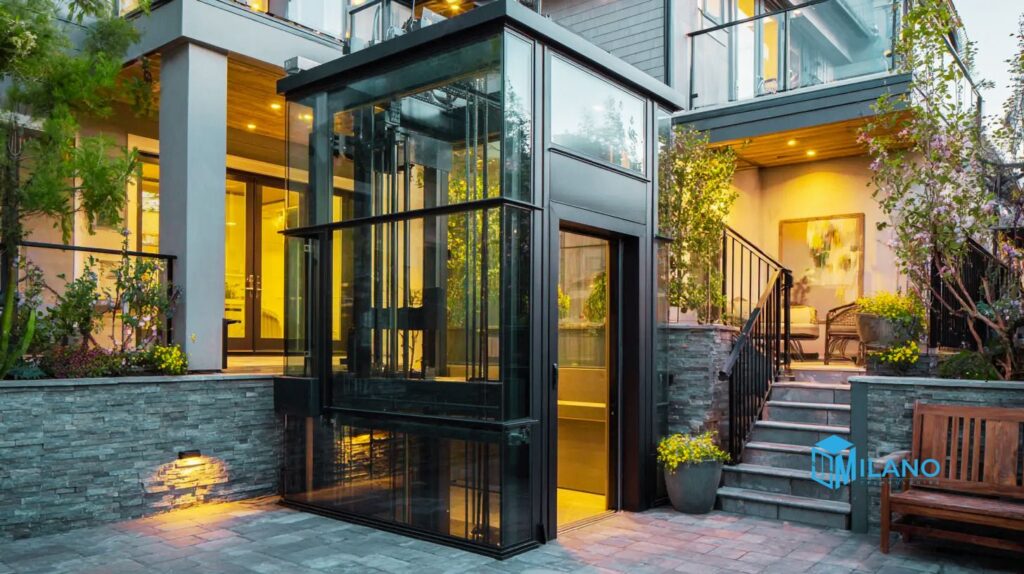
Outdoor elevators can be added to existing buildings without major structural changes.
Key Features of Modern Outdoor Elevators
Modern elevators are equipped with advanced features for safety and performance.
Safety Features
- Emergency stop systems
- Backup power supply
- Weatherproof controls
- Safety sensors and alarms
These features ensure secure operation in all conditions.
Custom Design Options
Outdoor elevators can be customized based on:
- Building architecture
- Material preferences (glass, steel, aluminum)
- Load capacity
- Size and layout
Customization helps match the elevator design with the building’s exterior.
Factors to Consider Before Installing an Outdoor Elevator
Before installing an outdoor elevator, it is important to evaluate several factors.
- Environmental Conditions: Consider weather conditions such as rain, humidity, and temperature to choose appropriate materials.
- Space Availability: Ensure sufficient space for installation, including shaft or support structure.
- Load Capacity: Determine the weight requirements based on intended usage.
Maintenance Requirements
Outdoor elevators require regular maintenance to ensure optimal performance.
Outdoor Elevator vs Indoor Elevator
Understanding the differences between outdoor and indoor elevators helps in selecting the right option.
Key Differences
Outdoor Elevators:
- Installed outside the building
- Weather-resistant materials
- Flexible installation
- Ideal for retrofitting
Indoor Elevators:
- Installed inside the building
- Protected from weather
- Integrated into building design
- Typically more common
Conclusion
Outdoor elevators are a practical and modern solution for improving accessibility and convenience in residential, commercial, and public spaces. With various types available, including hydraulic, traction, pneumatic, and platform systems, these elevators offer flexibility for different building needs.
By providing space-saving installation, weather-resistant durability, and enhanced accessibility, outdoor elevators have become an essential feature in modern architecture. Choosing the right type and design ensures long-term performance, safety, and value for your property.