Book Appointment Now


How Elevators Work: The Complete Guide to Elevator Systems
How Elevators Work: The Complete Guide to Elevator Systems
Elevators have become an essential part of modern architecture, allowing people and goods to move quickly and safely between floors in residential, commercial, and industrial buildings. From high-rise office towers to shopping malls and hospitals, elevators improve accessibility, efficiency, and convenience. Although using an elevator is simple, understanding How Elevators Work involves advanced engineering, safety mechanisms, and sophisticated control systems.
This complete guide explains how elevators work, the different types of elevator systems, key components, safety features, and modern innovations shaping the future of vertical transportation.
Understanding the Basic Principle of Elevator Systems
At its core, an elevator or lift elevator is a vertical transportation system designed to lift and lower passengers or cargo between different levels of a building. Elevators operate using mechanical and electrical systems that work together to ensure smooth and controlled movement.
Most modern elevators rely on a combination of:
- Motors that provide lifting power
- Counterweights that balance the load
- Cables or hydraulic mechanisms for movement
- Electronic control systems for navigation
These components clearly explain how elevators work efficiently while maintaining safety and energy performance.
The Role of Counterweights
Counterweights are an important part of many elevator systems. They balance the weight of the elevator car and reduce the amount of energy required to move it. Instead of lifting the entire weight each time, the motor only needs to move the difference between the car and the counterweight, making the lift system more efficient.
Main Types of Elevator Systems
Different buildings require different elevator designs based on height, capacity, and usage. Understanding the main types helps explain how elevators work in various environments.
1: Traction Elevators
The most prevalent kind of lift in high-rise structures is the traction lift. These elevators use steel cables and pulleys connected to a motor. The motor rotates the pulley, moving the elevator car up or down.
Key advantages include:
- Smooth and fast operation
- Energy efficiency
- Suitable for tall buildings
2: Hydraulic Elevators
Hydraulic elevators use a piston and hydraulic fluid to raise and lower the elevator car. Usually, low- to mid-rise structures use these systems.
Benefits of hydraulic elevators:
- Simple design
- Quiet operation
- Lower initial installation cost
3: Machine Room-Less (MRL) Elevators
MRL elevators eliminate the need for a separate machine room by placing equipment within the shaft. This modern lift design saves space and improves building efficiency.
Essential Components of Elevator Systems
Elevators rely on several key components working together to provide safe and reliable movement.
Elevator Car and Cabin
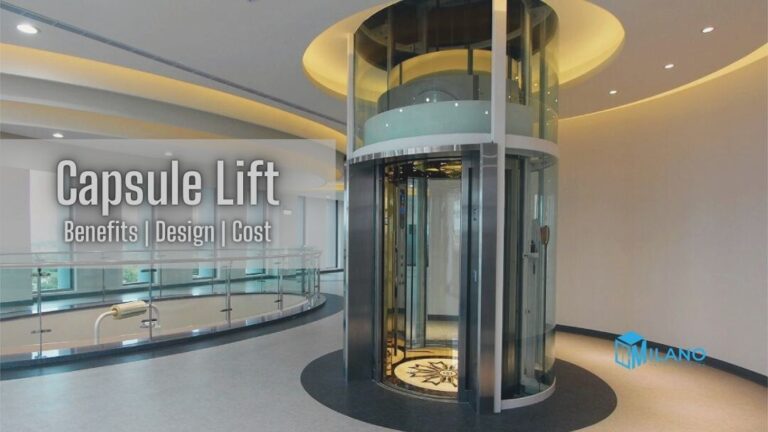
The elevator car is the enclosed space where passengers or goods are transported. It includes control panels, lighting, safety features, and sometimes ventilation systems. In luxury buildings, panoramic elevators are designed with glass cabins to provide scenic views while traveling between floors.
Hoistway and Guide Rails
The hoistway is the vertical shaft where the elevator moves. Guide rails ensure the car travels smoothly and remains stable during operation.
Motor and Drive System
The motor provides the force needed to move the elevator. Modern systems use advanced drive technology to ensure smooth acceleration and stopping.
Control System
The control system acts as the “brain” of the elevator, processing floor requests and optimizing travel routes. Smart algorithms help reduce waiting times and improve efficiency. Learning how elevators work also means understanding how this intelligent system coordinates every movement.
How Elevator Safety Systems Work
Safety is a top priority in elevator design. Modern elevators include multiple layers of protection to ensure passenger safety.
Emergency Braking Systems
If an elevator moves too quickly or experiences mechanical issues, emergency brakes automatically engage to stop the car safely.
Door Sensors and Safety Edges
Automatic sensors detect objects or passengers in the doorway and prevent doors from closing until the path is clear, ensuring safe operation every time you use elevator services.
Backup Power and Communication Systems
Many elevators, including home elevators installed in residential properties, include emergency lighting, alarms, and intercom systems to assist passengers during power outages or unexpected stops.
The Elevator Operation Process Step by Step
Understanding the step-by-step operation of an elevator helps clarify how elevators work in real-life situations.
1: Call Button Activation
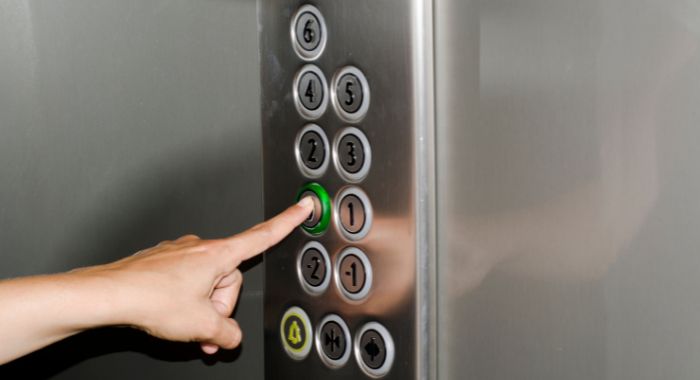
When a passenger presses the call button, the elevator control system receives the request and determines the most efficient car to respond.
2: Movement and Acceleration
The motor activates, moving the car smoothly along guide rails. Advanced systems control speed to ensure comfortable acceleration.
3: Floor Detection and Alignment
Sensors track the elevator’s position to ensure precise stopping at the selected floor.
4: Door Operation
Once aligned, the doors open automatically, allowing passengers to enter or exit safely. Understanding how to use elevator systems properly also ensures smoother boarding and exiting.
Modern Elevator Technology and Innovations
Elevator technology continues to evolve, introducing smarter and more efficient solutions that redefine how elevators work in modern buildings.
Smart Elevator Systems
Smart elevators use AI and advanced software to optimize routes and reduce waiting times, especially in busy buildings.
Energy-Efficient Designs
Modern elevators often include regenerative drives that convert braking energy into electricity, reducing overall energy consumption.
Touchless Controls
Newer systems incorporate touchless buttons and smartphone integration for improved hygiene and convenience, offering a smarter alternative to traditional lift controls. Unlike an escalator, which moves continuously, elevators operate based on passenger demand and floor selection.
Benefits of Advanced Elevator Systems
Modern elevator systems provide numerous advantages for both building owners and users:
- Improved accessibility for all individuals
- Faster transportation in tall buildings
- Enhanced safety features
- Energy efficiency and reduced operating costs
- Increased property value
Choosing the Right Elevator System
Selecting the right elevator depends on several factors, including building height, passenger volume, and budget. Whether installing commercial lifts, panoramic elevators, or home elevators, consulting with elevator professionals ensures proper planning and installation that meets safety regulations and performance expectations.
Final Thoughts
Understanding how elevators work helps us appreciate the advanced engineering behind everyday convenience. From traction systems and hydraulic mechanisms to smart technology and safety innovations, elevator systems play a vital role in modern infrastructure. By combining efficiency, reliability, and safety, elevators continue to transform how people move within buildings, making vertical transportation faster and more accessible than ever before.