Book Appointment Now


Residential Elevator Dimensions: Size, Capacity, and Design Options
Residential elevators are becoming increasingly popular in modern homes. They provide convenience, accessibility, and long-term value for homeowners. Whether you are planning a new house or upgrading an existing property, understanding residential elevator dimensions is essential for choosing the right system.
This guide explains the standard sizes, weight capacity, design options, and installation considerations for residential elevators to help you make an informed decision. It also highlights how modern elevator and escalator solutions are improving residential mobility and home accessibility.
Understanding Residential Elevator Dimensions
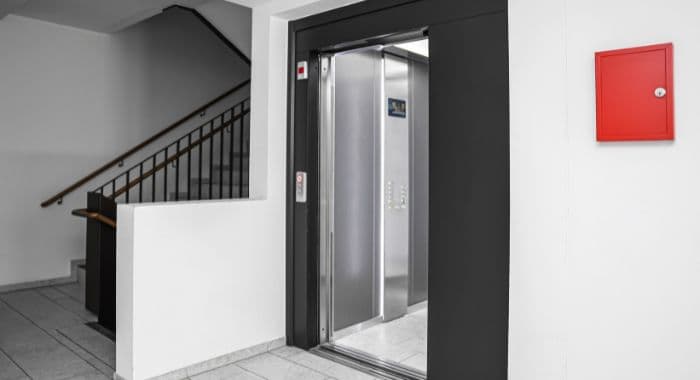
Residential Elevator Dimensions refer to the overall size of the elevator cabin, shaft, and door opening required for installation in a home. These dimensions determine how much space the elevator occupies and how many people or items it can carry safely.
Most residential elevators are designed to fit inside compact spaces while still providing smooth and comfortable vertical transportation. Understanding accurate home elevator dimensions helps homeowners plan the installation properly during construction or renovation.
Typical components that affect elevator size include:
- Elevator cabin (internal area)
- Hoistway or shaft
- Door width and height
- Machine room or mechanical system
- Clearance of overhead
Choosing the right residential elevator dimensions ensures the elevator fits your home layout while maintaining safety and efficiency.
Standard Residential Elevator Sizes
The size of a residential elevator depends on the home layout, number of floors, and user requirements. However, manufacturers typically follow common standard measurements when designing systems based on residential elevator dimensions.
Common Elevator Cab Dimensions
Typical residential elevator cab sizes include:
- 36 x 48 inches: Compact elevators for small homes
- 40 x 54 inches: Standard size for most residential buildings
- 48 x 60 inches: Larger cabins for wheelchair accessibility
- 51 x 68 inches: Premium residential elevator size
These dimensions allow comfortable movement inside the elevator while maximizing space efficiency.
Hoistway Size Requirements
The hoistway (elevator shaft) must be slightly larger than the cabin. Standard hoistway sizes usually range between:
- 52 x 56 inches
- 60 x 60 inches
- 72 x 72 inches
The exact size depends on the elevator model and installation design. In some projects, measurements may also be calculated as elevator dimensions in meters, especially in architectural drawings or international construction standards.
Residential Elevator Weight Capacity
Capacity is another important factor when selecting an elevator for your home. Residential elevators are designed to carry people, mobility devices, and small household items safely while maintaining proper residential elevator dimensions.
Typical Residential Elevator Capacities
Most home elevators offer the following load capacities:
- 500 pounds: Suitable for 2–3 passengers
- 750 pounds: Ideal for small families
- 1000 pounds: Ideal for mobility aids and wheelchairs
- 1400 pounds: Large residential elevator systems
Higher capacity elevators require slightly larger cabins and stronger lifting systems to maintain safe residential elevator dimensions and smooth performance.
Types of Residential Elevators and Their Size Requirements
Different elevator technologies require different space configurations. Understanding these systems helps homeowners choose the right design based on residential elevator dimensions and available installation space.
Hydraulic Residential Elevators
A hydraulic elevator uses a piston system powered by fluid pressure.
Key features include:
- Smooth and quiet operation
- Suitable for multi-story homes
- Requires a machine room for equipment
Hydraulic systems are reliable but usually require slightly larger hoistway space to accommodate proper residential elevator dimensions.
Traction Residential Elevators
Traction elevators operate using cables and a counterweight system.
Benefits include:
- Energy-efficient operation
- Easy transition between floors
- A large machine room is not necessary
These elevators can be installed in moderately sized shafts while maintaining practical residential elevator dimensions for residential buildings.
Pneumatic (Vacuum) Elevators
Pneumatic elevators use air pressure to move the cabin between floors.
Advantages include:
- Compact and modern design
- Minimal construction work
- No traditional shaft required
These elevators are ideal for small homes where residential elevator dimensions must remain compact due to limited space.
Elevator Door Dimensions and Accessibility
Door size plays an important role in accessibility and comfort. Most residential elevators use automatic or manual sliding doors.
Standard Door Sizes
Common residential elevator door measurements include:
- 30 inches wide: Basic residential models
- 36 inches wide: Wheelchair accessible elevators
- 42 inches wide: Larger premium elevators
A wider door makes it easier for wheelchairs, walkers, and large items to enter the elevator safely while maintaining proper residential elevator dimensions.
Key Factors to Consider Before Installation
Installing a residential lift requires careful planning. Several factors influence the final design and residential elevator dimensions.
Space Availability
Before installing an elevator, check the available space in your home for:
- Elevator shaft construction
- Overhead clearance
- Pit depth requirements
Building Codes and Safety Standards
Residential elevators must comply with local building regulations and safety codes. Professional installers ensure that the elevator meets all required standards.
Future Accessibility Needs
Many homeowners install elevators for long-term convenience. Considering future mobility needs ensures the system remains useful for many years without modifying the planned residential elevator dimensions.
Benefits of Installing a Residential Elevator
Adding an elevator to your home provides multiple advantages beyond convenience.
- Improved Accessibility: Home elevators make it easier for elderly family members or individuals with mobility challenges to move between floors.
- Increased Property Value: Homes equipped with elevators often have higher market value and appeal to a wider range of buyers.
- Enhanced Comfort and Convenience: Carrying groceries, luggage, or household items becomes much easier with a residential elevator.
- Modern Luxury Feature: Elevators are increasingly seen as a luxury feature that enhances the overall design of modern homes.
Conclusion
Understanding residential elevator dimensions is essential when planning to install an elevator in your home, as the right size ensures safety, comfort, and efficient use of available space.
If you are looking for the perfect residential elevator solution, Milano Technologies is here to help. We provide high-quality elevator systems in a wide range of sizes, designs, and technologies to match different home layouts and requirements. Whether you need a compact home elevator or a larger customized system, our team offers reliable solutions designed for performance, safety, and long-term durability.