Book Appointment Now

How to Use Elevator the Right Way – Ultimate Guide
How to Use Elevator the Right Way – Ultimate Guide
Using an elevator is a routine part of daily life, especially in offices, apartments, hospitals, and shopping malls. While most people think elevator use is simple, many overlook the importance of proper etiquette and safety practices. Learning how to use elevator systems the right way helps improve efficiency, enhances safety, and creates a more comfortable environment for everyone sharing the space. This ultimate guide explains everything you need to know about correct elevator usage, from basic steps to advanced etiquette and safety tips.
Why Proper Elevator Usage Matters
Elevators are shared spaces designed to move people quickly between floors. When used properly, they save time and reduce physical effort, especially in tall buildings. However, poor habits such as overcrowding, blocking doors, or pressing buttons unnecessarily can slow down operations and cause frustration for other passengers. Proper elevator usage ensures smoother traffic flow, reduces wear and tear on equipment, and promotes respectful interaction among users.
In addition, elevators are essential for accessibility. People with mobility challenges, elderly individuals, or parents with strollers rely on both the lift elevator and other vertical transportation systems to navigate buildings safely. By understanding how to use elevator services correctly, everyone contributes to a more inclusive and efficient environment.
Understanding How Elevators Work
Modern elevators operate through advanced systems that respond to passenger requests using sensors and automated controls. Whether it is a standard passenger elevator or specialized MR Elevators (Machine Room Elevators), the system calculates the most efficient route based on demand when you press a floor button.
Repeatedly pressing buttons does not speed up the elevator; instead, it can create confusion and delay operations. In commercial buildings, especially those equipped with a Low Noise Elevator, smooth performance depends heavily on proper user behavior.
Buildings may also include different types of lifts, depending on capacity, design, and usage requirements. Understanding these systems helps you better appreciate how to use elevator technology efficiently.
Step-by-Step Guide to Using an Elevator Correctly
1: Waiting for the Elevator
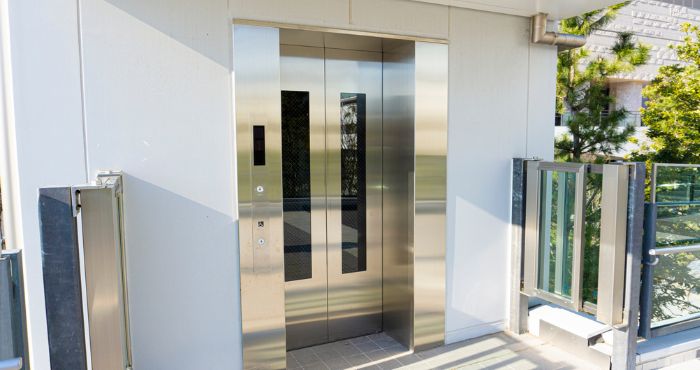
When waiting for an elevator, stand to the side of the doors instead of directly in front of them. This allows passengers inside to exit easily once the doors open. Waiting patiently also prevents unnecessary crowding and keeps traffic moving smoothly.
Pay attention to directional indicators showing whether the elevator is going up or down. Press the correct direction button only once and avoid repeatedly tapping it. Standing in an organized manner makes boarding faster and safer for everyone using the lift elevator.
2: Entering the Elevator Properly
After the doors open, allow passengers to leave the elevator before entering. This is a simple rule that improves efficiency and reduces awkward situations. Once inside, move toward the back or sides so others can enter comfortably. Standing near the entrance can block access and slow down the boarding process.
Knowing how to use elevator space efficiently is especially important during peak hours in offices and commercial buildings.
3: Selecting Your Floor
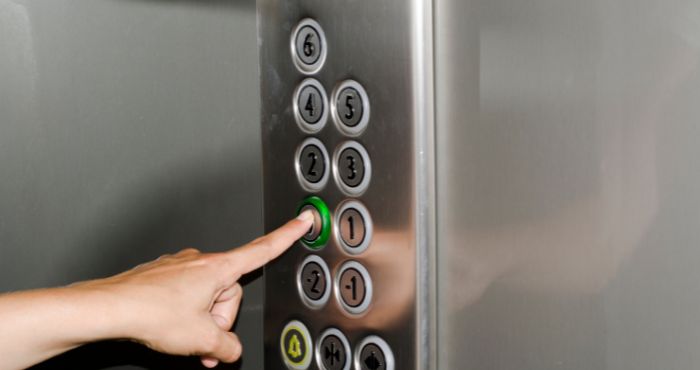
Press your desired floor button once and avoid pressing multiple buttons without reason. Elevators are automated, and repeated pressing will not make them arrive faster. During the ride, maintain awareness of your surroundings and respect personal space by avoiding loud conversations or excessive movement.
In buildings that feature both elevator and escalator systems, choose the appropriate option based on your destination and urgency. Understanding when to use a lift and escalator appropriately helps maintain smooth traffic flow throughout the building.
4: Exiting Smoothly
As your floor approaches, prepare to exit by moving closer to the door. Politely say “excuse me” if you need to pass through other passengers. Exiting promptly helps maintain efficiency and prevents delays for others.
Essential Elevator Safety Tips
Safety should always be a priority when using elevators. Pay attention to capacity limits displayed inside the elevator, as overloading can trigger alarms or cause operational issues. If the elevator is crowded, it is safer and more comfortable to wait for the next one.
Avoid Blocking Elevator Doors
Avoid blocking closing doors with your hands or belongings. Although modern elevators have sensors, forcing doors open can damage the system or create safety risks. Instead, use the “door open” button if additional time is needed.
What to Do During a Malfunction
If the elevator stops unexpectedly, remain calm and use the emergency communication button to contact assistance. Trying to force doors open or attempting to climb out without help can be dangerous. Modern elevators, including advanced MR Elevators, are designed with multiple safety mechanisms, so staying inside and waiting for assistance is the safest approach.
Elevator Etiquette Everyone Should Follow
Elevator etiquette is about respect and awareness. Because elevators are small enclosed spaces, maintaining good manners makes the experience more pleasant for everyone. Keep bags close to your body to avoid taking up unnecessary space. If the elevator becomes crowded, consider removing large backpacks or repositioning items to make room.
Respecting Personal Space
Avoid strong odors, loud phone calls, or disruptive behavior during the ride. Standing calmly and facing forward helps maintain a comfortable environment for everyone.
Common Elevator Mistakes to Avoid
Many people unknowingly create delays by making simple mistakes. Pressing both the up and down buttons unnecessarily can confuse the system and extend waiting times. Blocking the doors while chatting or waiting for someone can disrupt the flow of traffic and inconvenience others.
Understanding how to use elevator systems responsibly prevents these common issues and ensures smoother operation for all users.
Elevator Usage in Special Situations
In emergencies such as fires, elevators should generally be avoided unless specifically instructed by building authorities. Stairways are typically safer for evacuation because elevators may shut down or become unsafe during certain emergencies.
Elevators in Office Buildings
In office buildings, especially during peak hours, efficiency and awareness are essential. Move toward the back of the elevator to maximize space, and avoid unnecessary stops by selecting only your required floor. Many high-rise offices now use energy-efficient or Low Noise Elevator systems to improve user comfort.
Elevators in Hospitals and Public Spaces
In hospitals or medical facilities, maintaining quiet and respectful behavior is particularly important to support patients and staff. Giving priority to medical personnel or emergency use when necessary is also good practice.
Accessibility and Inclusive Elevator Use
Elevators play a critical role in accessibility. Wheelchair users and individuals with mobility challenges may need additional space or time when entering or exiting. Offering assistance when appropriate and avoiding blocking handrails or control panels can make a significant difference.
Proper understanding of how to use elevator systems ensures inclusive access for everyone in public and private buildings.
Benefits of Using Elevators the Right Way
- Reduces waiting time through efficient boarding and exiting
- Improves overall traffic flow inside the building
- Creates a more comfortable and stress-free environment
- Encourages respectful and organized behavior among passengers
- Enhances safety for all users
- Minimizes the risk of accidents or injuries
- Helps prevent unnecessary wear and damage to elevator equipment
Final Thoughts
Knowing how to use elevator systems the right way goes beyond simply pressing a button. It involves understanding how elevators work, practicing good etiquette, and prioritizing safety at all times. By standing aside while waiting, allowing others to exit first, respecting personal space, and following basic safety guidelines, you can help create a better experience for yourself and others.
Elevators are an essential part of modern buildings, and small changes in behavior can make a big difference. By adopting these simple habits, you contribute to safer, faster, and more enjoyable elevator rides every day.