Book Appointment Now


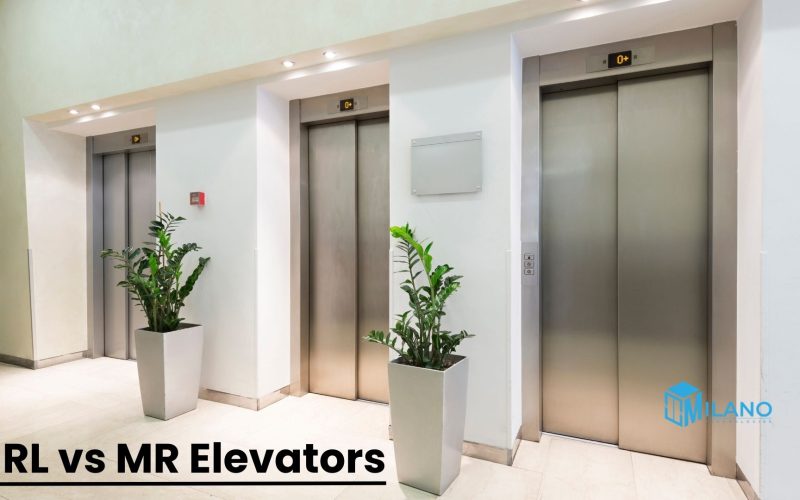
Choosing the right elevator system is one of the most important decisions in any building project. Whether you are planning residential towers, commercial plazas, hospitals, shopping malls, or even an elevator for home, the system you select directly impacts space planning, installation cost, energy efficiency, passenger comfort, and long-term maintenance.
In this complete guide on MRL vs MR Elevators, we will explain their differences, benefits, limitations, safety aspects, cost comparison, and which solution fits your building needs best.
Let’s begin with the fundamentals.
MRL Elevators (Machine Room-Less elevators) are modern passenger elevators designed without a separate machine room. The motor and control equipment are installed inside the elevator shaft, saving valuable building space.
This design has become increasingly popular in residential and commercial projects because it offers better energy efficiency and a compact layout.
MRL Elevators are commonly used in:
They are also ideal for projects requiring a Low Noise Passenger Elevator, as the gearless motor system ensures quieter operation.
MR Elevators (Machine Room elevators) are traditional elevator systems that require a dedicated machine room, usually located above the elevator shaft.
The motor, controller, and other mechanical components are placed inside this room, making access for maintenance easier.
MR Elevators are typically installed in:
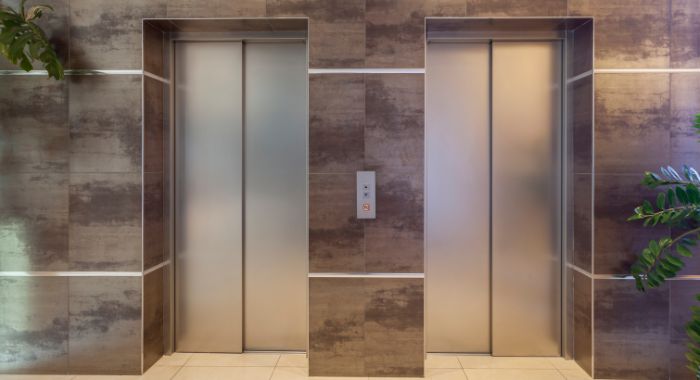
Understanding MRL vs MR Elevators helps you select the best system based on your project needs.
MRL Elevators
MR Elevators
If your building has space limitations, MRL Elevators usually offer a better solution.
MRL Elevators
MR Elevators
In many mid-rise buildings, MRL systems can be more economical overall.
MRL Elevators
MR Elevators
For projects where fast service access is important, MR Elevators can offer convenience.
MRL Elevators use modern gearless motors that consume less power and generate minimal heat. This makes them an excellent choice for energy-conscious projects.
Older MR Elevators may consume more electricity, although modern upgraded systems have improved efficiency.
If sustainability is a priority in your MRL vs MR Elevators decision, MRL systems often have an advantage.
MR Elevators
MRL Elevators
For skyscrapers or very tall towers, MR Elevators remain the preferred solution.
MRL Elevators are generally quieter because of gearless traction technology, making them suitable for residential buildings and projects requiring a Low Noise Passenger Elevator experience.
MR Elevators may produce slightly more mechanical noise depending on system type.
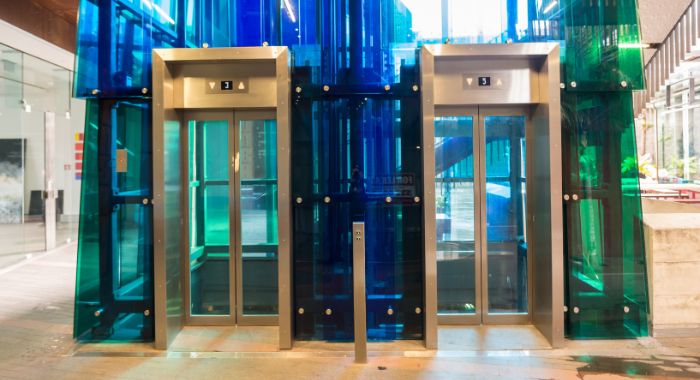
MRL systems provide architects more freedom because there is no need for a machine room. This makes them ideal for modern buildings and luxury applications like a Panoramic Elevator, where aesthetics and space efficiency are important.
MR systems require additional structural planning for the machine room, which may affect rooftop design.
| MRL Elevators | MR Elevators |
| Space-saving design | Suitable for very tall buildings |
| Energy-efficient | Easier maintenance access |
| Modern technology | Proven long-term durability |
| Lower building construction cost | Handles heavy loads efficiently |
| Reduced carbon footprint | Reliable for high-traffic buildings |
| MRL Elevators | MR Elevators |
| Maintenance can be more technical | Requires extra space |
| Limited suitability for extremely tall buildings | Higher construction cost |
| Equipment access may require special tools | Larger structural design requirement |
When analyzing MRL vs MR Elevators, there is no single perfect system for every structure. The right decision depends on:
Choose MRL Elevators If:
Choose MR Elevators If:
The cost of MRL vs MR Elevators depends on:
Generally, MRL systems reduce structural construction costs, while MR systems may involve higher civil expenses. Long-term energy savings often favor MRL technology.
A professional site evaluation is recommended for accurate pricing.
Both MRL and MR Elevators meet strict international safety standards.
Modern safety features include:
In the debate of MRL vs MR Elevators, safety largely depends on installation quality, maintenance schedule, and compliance with industry standards.
When comparing MRL vs MR Elevators, the best choice depends on your building design, operational needs, budget, and long-term performance goals. Both systems offer distinct benefits. MRL Elevators are ideal for space-saving, energy-efficient, and modern architectural projects, while MR Elevators are better suited for high-rise and heavy-duty applications.
At Milano Technologies, we provide advanced MRL and MR Elevators tailored to your building requirements, including Passenger Elevators, Low Noise Passenger Elevator solutions, Elevator for home installations, and Panoramic Elevator systems. Our expert team evaluates your project carefully to recommend a safe, efficient, and future-ready elevator solution.