Book Appointment Now


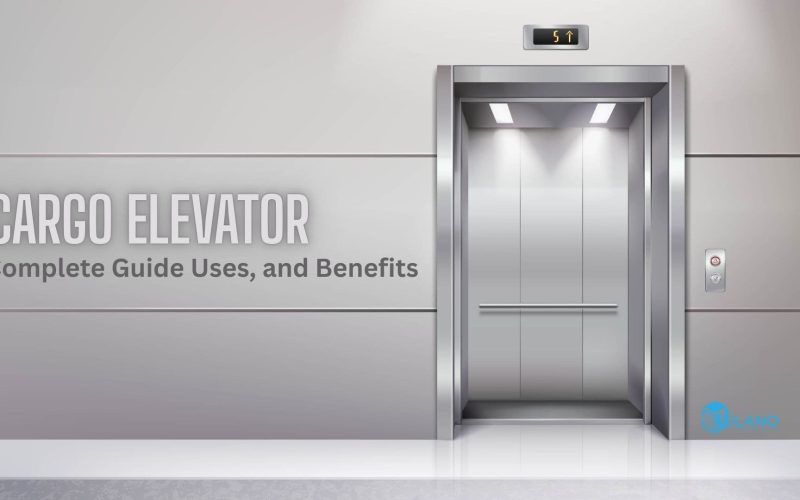
A Cargo Elevator is a heavy-duty vertical transportation system designed to move goods, materials, and equipment between floors safely and efficiently. Unlike passenger elevators, cargo systems are built to handle substantial weight and withstand demanding industrial and commercial environments. From warehouses and factories to shopping malls and hospitals, a Cargo Elevator plays a vital role in streamlining operations and improving productivity.
A Cargo Elevator, also known as a freight elevator, is specifically engineered to transport heavy loads rather than people. These systems feature reinforced cabins, durable flooring, and high-capacity lifting mechanisms to handle bulky or heavy materials. In smaller setups, a cargo lift may also be used for moving goods in limited vertical spaces.
Cargo elevators are commonly used in:
Their design focuses on strength, safety, and reliability in high-demand environments.
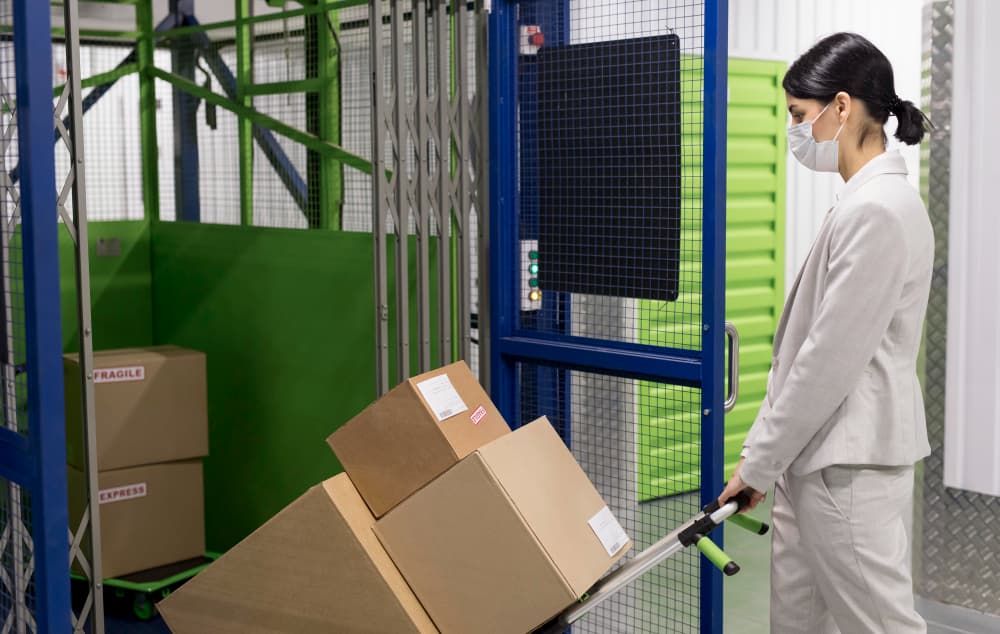
There are several types of Cargo Elevator systems available, each designed to meet specific building and operational needs.
Hydraulic cargo elevators operate using a piston mechanism powered by hydraulic fluid. Similar in working principle to a hydraulic elevator, they are commonly installed in low- to mid-rise buildings where strong lifting power is required.
Benefits of Hydraulic Cargo Elevators
Hydraulic systems are often preferred for industrial facilities and warehouses where heavy lifting is required.
Traction cargo elevators use steel cables and a counterweight system driven by a motor. These elevators are suitable for taller buildings and higher travel speeds.
Advantages of Traction Cargo Elevators
They are commonly installed in commercial buildings with frequent goods transportation needs.
Machine Room-Less cargo elevators eliminate the need for a separate machine room, saving space and reducing construction requirements. These systems are increasingly integrated into modern elevator and escalator solutions for commercial projects.
Key Features of MRL Cargo Elevators
These elevators are increasingly popular in modern commercial buildings.
Dumbwaiters are small cargo elevators used to transport light items such as food, documents, or medical supplies.
Common Uses of Dumbwaiters
They provide a convenient solution for small-load transportation between floors.
Cargo elevators are essential in industries that require efficient material handling. A properly installed Cargo Elevator improves workflow and reduces manual transportation challenges.
In manufacturing plants and warehouses, a Cargo Elevator is used to move:
These systems improve workflow and reduce manual handling risks.
In retail and commercial spaces, cargo elevators assist in:
They ensure smooth operations without disrupting customer areas.
Hospitals and hotels rely on a Cargo Elevator for transporting:
This helps maintain efficiency and hygiene standards.
Installing a Cargo Elevator offers numerous advantages for businesses and property owners.
A Cargo Elevator reduces the time and effort required to move heavy materials between floors, improving operational productivity.
By minimizing manual lifting and carrying, cargo systems reduce the risk of workplace injuries.
These elevators are designed to handle substantial weight, making them suitable for industrial and commercial use.
A Cargo Elevator is built with reinforced materials and heavy-duty components to withstand continuous use.
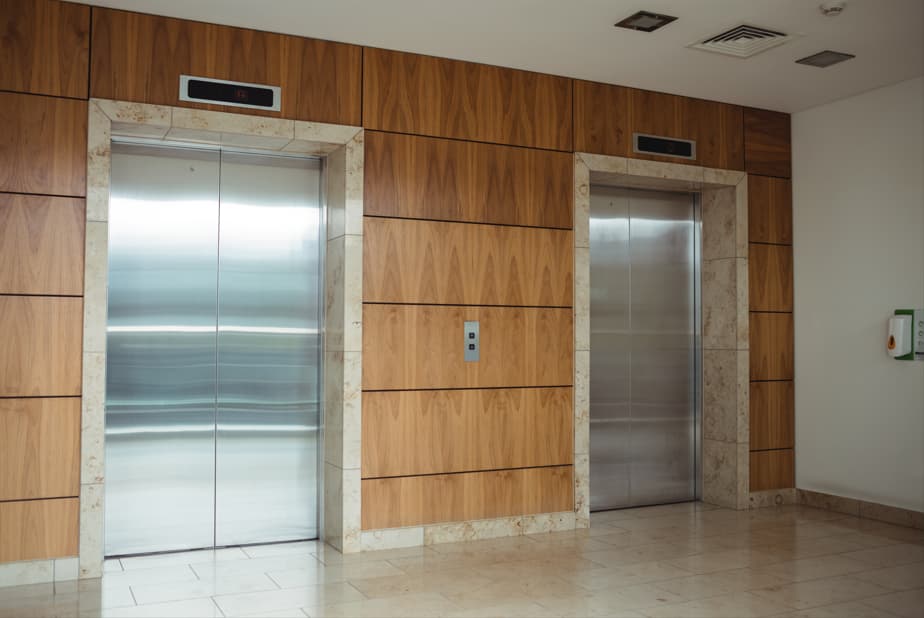
Modern cargo elevators incorporate advanced technology to ensure safety and performance as part of comprehensive elevator and escalator solutions.
Key safety features include:
These systems ensure secure and reliable operation.
A Cargo Elevator can be customized based on:
Customization ensures the system meets specific operational needs.
Choosing the right Cargo Elevator requires careful planning.
Although both systems move vertically, a Cargo Elevator differs significantly from passenger elevators.
Cargo Elevators:
Passenger Elevators:
Understanding these differences helps in selecting the right system for your property.
A Cargo Elevator is essential for businesses that need safe and efficient goods transportation between floors.
At Milano Technologies, we provide reliable freight elevator and cargo lift systems as part of our complete elevator and escalator solutions. From design to installation and maintenance, we ensure strong performance and long-term durability.