Book Appointment Now


When Were Elevators Invented? A Complete History Guide
Elevators are an essential part of modern buildings, making it possible to move people and goods quickly and efficiently between floors. From towering skyscrapers to residential homes, elevators play a critical role in everyday life.
But have you ever wondered when were elevators invented and how they evolved into the advanced systems we use today?
In this complete history guide, we’ll explore the origins of elevator history, their evolution over time, and how modern technology has transformed vertical transportation. We’ll also briefly answer what is elevator and how it became essential in modern construction.
The Origin of Elevators: When Were Elevators First Invented?
The concept of elevators dates back much further than most people realize. If we look deeper into when were elevators invented, the answer takes us to ancient times.
The earliest known elevator-like device was invented around 236 BC by the ancient Greek scientist Archimedes. This early system used ropes and pulleys powered by humans or animals to lift heavy loads, making it the first elevator concept in history.
These primitive lifts were mainly used in:
- Construction projects
- Mines
- Ancient buildings
Although basic, they laid the foundation for what would later become modern elevator systems.
Elevators in Ancient Civilizations
After their early invention, elevators continued to evolve in different parts of the world, shaping early elevator history.
Roman Empire Innovations
The Romans improved lifting systems by using them in:
- The Colosseum (to raise animals and stage props)
- Large construction sites
These systems were still manually operated but showed how important vertical transport had become.
Medieval and Early Modern Period
During the Middle Ages and early modern era, elevators were used in:
- Castles
- Monasteries
- Warehouses
However, they remained slow, unsafe, and limited in use due to the lack of advanced technology.
The Birth of Modern Elevators (19th Century Breakthrough)
The real turning point in elevator history came in the 19th century, when safety and mechanical innovation changed everything—and helped define when were elevators invented in their modern form.
The Safety Elevator Revolution
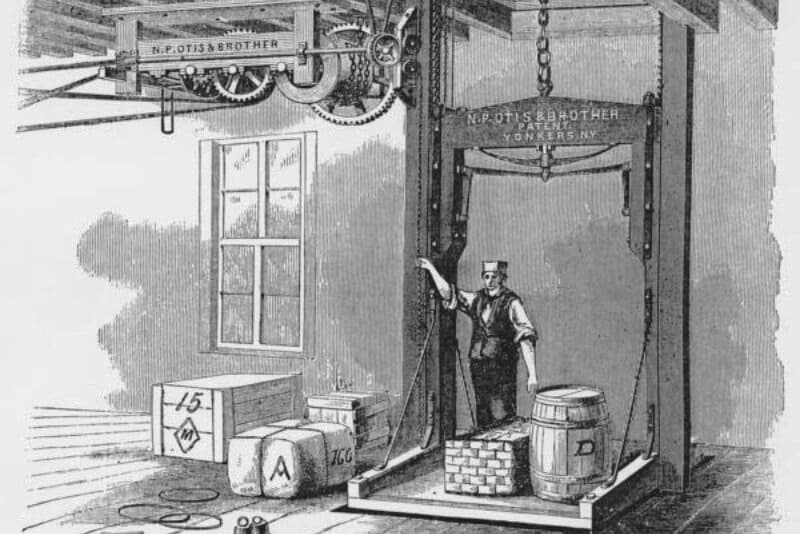
In 1852, an American inventor named Elisha Otis introduced the first safety elevator, answering the question of who invented elevator technology that made vertical transport safe.
His design included a safety brake system that prevented the elevator from falling if the cable broke.
In 1854, Otis demonstrated his invention publicly, gaining widespread attention and trust.
First Commercial Passenger Elevator
By 1857, the first commercial passenger elevator was installed in a building in New York City.
This marked the beginning of elevators being used in everyday urban life and further clarified when were elevators invented for public use.
The Rise of Electric Elevators
As technology advanced, elevators became faster, safer, and more efficient.
Introduction of Electric Elevators
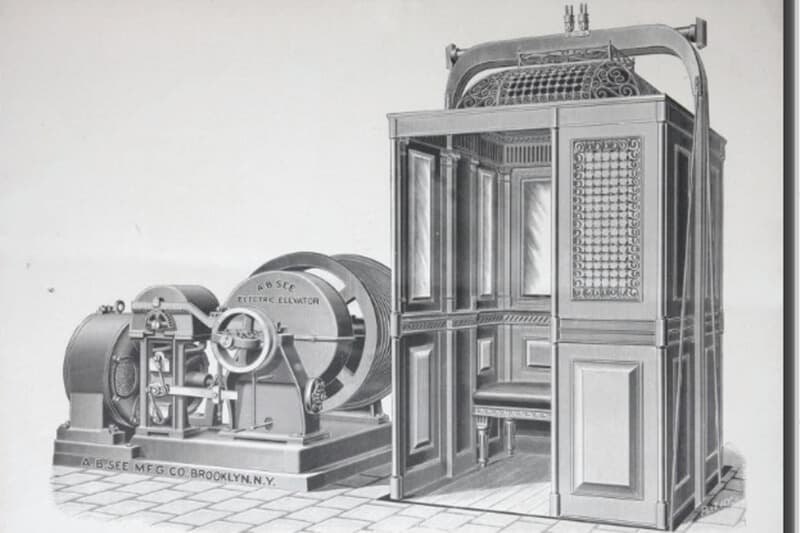
In 1880, the first electric elevator was developed, replacing steam-powered systems. This milestone is another key moment when discussing when were elevators invented in their modern electric form.
Electric elevators offered:
- Smoother operation
- Faster speeds
- Greater reliability
Impact on Modern Cities
The development of electric elevators made it possible to construct tall buildings, leading to the rise of:
- Skyscrapers
- High-rise apartments
- Commercial towers
Without elevators, modern urban architecture would not exist as we know it today.
Modern Elevator Technology
Today’s elevators are far more advanced than their early versions. They are designed for efficiency, safety, and user comfort.
Key Features of Modern Elevators
Modern systems include:
- Smart control systems
- Energy-efficient motors
- High-speed operation
- Advanced safety mechanisms
Types of Elevators Used Today
There are different types of elevators designed for various needs, including:
- Passenger elevators
- Freight elevators
- Hydraulic elevators
- Machine-room-less (MRL) elevators
- Home elevators
These systems are used in residential, commercial, and industrial buildings worldwide.
Why the Invention of Elevators Matters
Understanding when were elevators invented is important because their development changed the way cities are built.
Elevators made it possible to:
- Build taller structures
- Improve accessibility
- Increase property value
- Enhance convenience in daily life
They are one of the key innovations behind modern urban living.
Timeline of Elevator History
Here’s a quick overview of key milestones in elevator history:
- 236 BC: First elevator concept by Archimedes
- Roman Era: Use of lifts in construction and entertainment
- Middle Ages: Basic lifts in castles and buildings
- 1852: Elisha Otis invents the safety elevator
- 1857: First passenger elevator installed
- 1880: First electric elevator introduced
- 20th Century: Rapid growth of high-rise buildings
- Today: Smart and energy-efficient elevator systems
Conclusion
So, when were elevators invented? From ancient lifting systems to modern smart solutions, elevators have come a long way in shaping today’s buildings and urban life.
If you’re looking to upgrade your space with reliable and advanced vertical transportation, Milano Technologies is your trusted expert in modern elevators and escalators. We provide high-quality, safe, and efficient solutions designed to meet the needs of residential, commercial, and industrial projects.