Book Appointment Now


A Hydraulic Elevator is one of the most reliable and cost-effective vertical transportation systems, especially for low- to mid-rise buildings. It is widely used in residential apartments, commercial plazas, hospitals, warehouses, and industrial facilities where smooth performance and strong lifting capacity are required. In some residential settings, it is also installed as a home elevator solution for private villas and duplex houses.
In this complete guide, you will learn how a Hydraulic Elevator works, its main components, benefits, limitations, ideal applications, cost considerations, and how it compares with traction systems. This article is written in simple language so building owners, contractors, and property developers can clearly understand whether a hydraulic system is the right choice.
A Hydraulic Elevator is a lift system that moves the cabin using hydraulic pressure. Instead of ropes and counterweights like traction systems, it uses a hydraulic pump to push fluid into a cylinder. This pressure moves a piston that lifts the elevator car upward. To go down, the system slowly releases the fluid back into the tank.
Because of this mechanism, hydraulic systems are best suited for buildings with fewer floors, usually up to 5–7 stories. If you are researching how elevators work, this system is one of the simplest and easiest to understand due to its direct lifting technology.
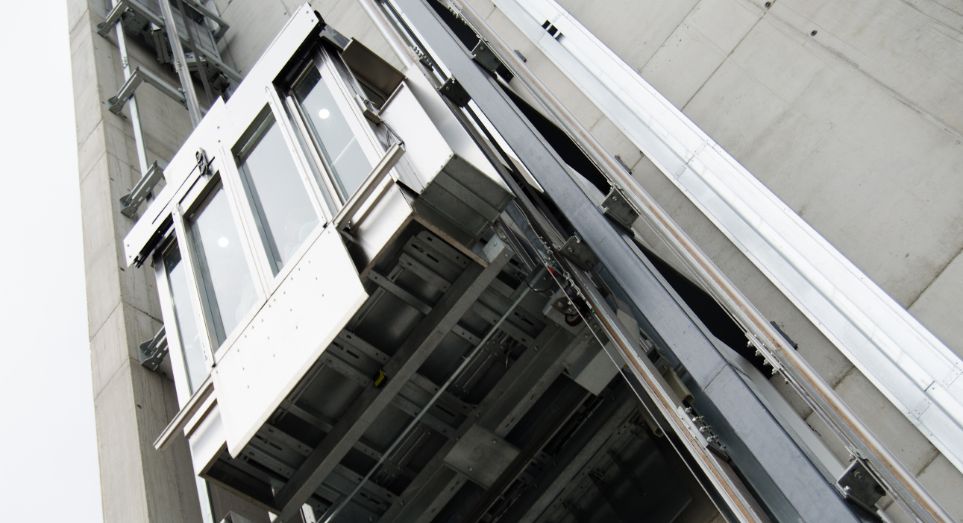
The working principle is simple but powerful.
This system provides smooth travel and strong lifting force, even for heavy loads. Because of its controlled movement, it is often considered a practical option for buildings where passenger comfort is important.
Understanding the main parts helps in maintenance and system selection:
Every component is essential to guaranteeing durability, efficiency, and safety in a Hydraulic Elevator system.
There are three main types:
The cylinder is installed below ground level. It is common in low-rise buildings and provides stable performance.
No deep drilling is required. Cylinders are mounted on the side of the shaft. This is ideal where soil conditions make drilling difficult.
Uses ropes combined with hydraulic power. It allows higher travel distances compared to standard hydraulic systems.
Choosing the right type depends on building structure, soil condition, and project budget.
Hydraulic elevators can handle heavy loads, making them ideal for hospitals, warehouses, and industrial buildings.
Compared to traction elevators, hydraulic systems are generally more affordable for low-rise projects.
They provide gentle starts and stops, improving passenger comfort. In some modern configurations, they can also be adapted to meet low noise passenger elevator requirements in offices and residential spaces.
Machine rooms can be placed at the bottom of the building, offering flexible design options. When comparing MRL vs MR Elevators, hydraulic systems typically fall under MR (Machine Room) configurations.
Fewer moving mechanical parts mean easier servicing and reduced mechanical complexity.
While hydraulic systems have many benefits, they also have some limitations:
Understanding these factors helps in making the right investment decision.
Many building owners compare a Hydraulic Elevator with traction elevators when planning a new project.
If your project is under 6 floors, a Hydraulic Elevator is often the more practical and budget-friendly option.
Hydraulic elevators are ideal for:
Their ability to carry heavy loads makes them especially popular in commercial and industrial settings. In private residences, they are sometimes chosen as a home elevator because of their strong lifting power and smooth operation.
Modern Hydraulic Elevator systems include advanced safety mechanisms such as:
These features ensure passenger protection even during power failures.
Traditional hydraulic elevators use more power during ascent because the motor works against gravity without counterweights. However, modern systems now include:
These improvements reduce environmental impact and operating costs while improving the overall performance of a Hydraulic Elevator.
Before installation, consider:
Professional site assessment ensures safe and compliant installation of a Hydraulic Elevator.
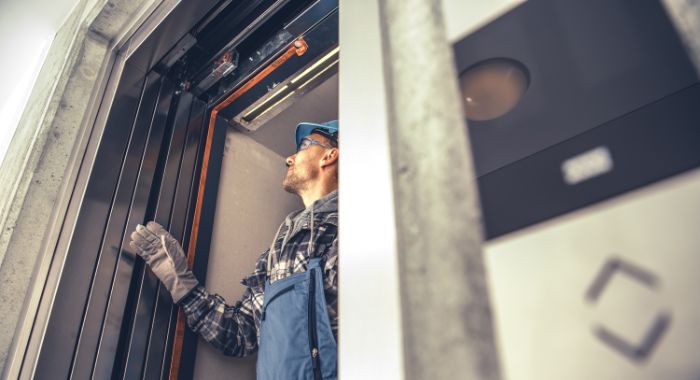
Regular maintenance is essential to extend lifespan and maintain safety:
Preventive maintenance reduces breakdown risk and improves system reliability.
A Hydraulic Elevator is the right choice if:
For high-rise projects or where high-speed travel is required, traction elevators may be more suitable.
A Hydraulic Elevator is a reliable and cost-effective solution for low-rise residential and commercial buildings, offering strong lifting power and smooth performance.
If you are planning to install a Hydraulic Elevator, partner with the experts. At Milano Technologies, we deliver advanced Elevator & Escalator Solutions with professional design, installation, and maintenance services to ensure safety, efficiency, and long-term reliability.