Book Appointment Now

New Lift vs Lift Modernization in Pakistan: Which Is Better
- On
- InBlog
An old lift in a Pakistani building is not a simple problem with a simple answer. The moment it starts breaking down regularly, every building owner faces the same question: Is it time to rip it out and install a new one, or can we upgrade what we have and make it work another ten years?
The honest answer is that both paths work, but for different situations. Getting it wrong is expensive. Install new when modernization would have sufficed and you have spent money you did not need to. Modernize when the lift is beyond saving and you are simply delaying the real problem, accumulating repair bills until replacement becomes an emergency rather than a choice.
This guide walks you through the exact criteria that separate the two paths, and it is written specifically for Pakistani conditions, where power supply, load shedding and existing infrastructure reshape the decision in ways a global guide will never mention.
The Core Decision Criteria: It Is Not About Age
The most common mistake building owners make is deciding based on how old the lift is. A lift that is fifteen years old might need replacement, while one that is thirty years old might need only modernization. Age is not the point. The point is what the lift still does.
The real separator is whether the lift’s core structure, motor and shaft can still handle your building’s current needs. A lift sized for light residential use fifteen years ago that now serves a commercial office building or a high traffic apartment block has outgrown its capacity. That is a new installation signal. A lift that was sized correctly and has simply had its controller age and its components wear is a modernization candidate.
The Four Questions That Point You Toward the Right Answer
Ask yourself these four questions, and the path usually becomes clear.
- First: Has your building’s use changed? If the building has gone from light residential to commercial, or from low footfall to high footfall, the old lift’s capacity is probably exhausted and modernization alone will not solve it. The motor and cabin size are tied to the physical machine, not just electronics.
- Second: Is the lift reliable enough to survive a few more repair cycles? If it is making it to the shop twice a month and showing signs of deeper wear, the running repair bill is stealing the money you might put toward an upgrade. If it breaks down once every two years and recovers easily, modernization restores it reliably.
- Third: Can the existing power setup handle modern safety and backup requirements? This is the Pakistan specific question. An old single phase lift cannot handle the automatic rescue device and backup systems that modern lifts require, and upgrading the power to support them sometimes costs more than a new installation. Ask an engineer whether your DISCO connection can support a stabilizer and backup system before committing to modernization.
- Fourth: What is your building’s dependence on the lift? If one breakdown paralyzes your business or affects hospital operations, a new lift’s reliability is worth more than the money saved. If the lift is convenience that people can survive without for a few days, modernization with good backup service makes sense.
Decision Criteria at a Glance
| Scenario | Signal | Better Choice | Why |
|---|---|---|---|
| Building use unchanged, light footfall | Occasional breakdowns, otherwise sound | Modernization | Core structure still matches building |
| Building shifted to heavy commercial use | Regular breakdowns, crowds during peak | New installation | Motor and cabin are undersized |
| Lift over 25 years old, failing major parts | Rope replacement, motor work needed frequently | New installation | Running costs mount, energy inefficiency grows |
| Lift 10 to 20 years old, minor issues | Door delays, slight jerks, but reliable | Modernization | Structure is sound, technology has aged |
| Power supply too old for backup systems | Cannot add ARD or generator support safely | New installation | Safety upgrade forces the total replacement |
| Building expansion planned | Layout changing, new floors added | New installation | Redesign lift count and capacity together |
This decision framework aligns with guidance from international standards such as those referenced by the Chartered Institution of Building Services Engineers, adapted for Pakistan’s specific power and usage conditions.
The Modernization Path: What It Actually Includes
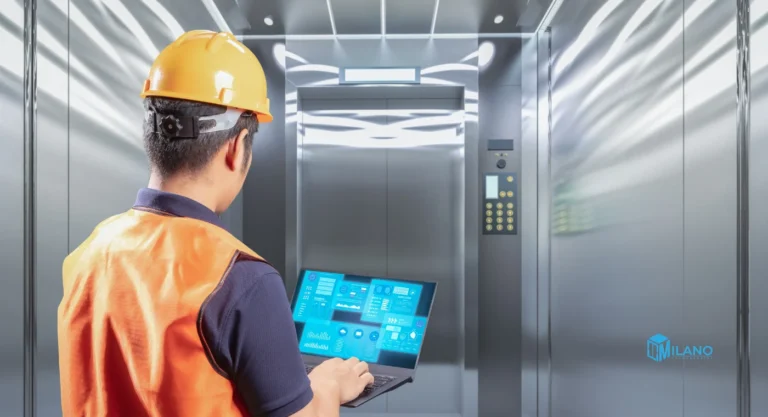
If modernization is your choice, understand what it covers. A proper lift modernization replaces the controller, the drive system, the electrical panels, the safety devices and the cabin finishes. It does not replace the shaft, the rails, or the motor unless that motor is failing, which is rare.
The modernization also upgrades safety to current standards, installing an automatic rescue device, modern door sensors and emergency systems that comply with ASME A17.1 referenced practice, adapted locally. In Pakistan, this is the stage where backup power sizing and voltage stabilization get properly specified, closing gaps the original installation may have had.
The advantage is speed and disruption. Modernization takes weeks, not months. New installation takes months to plan, source equipment, and commission.
The New Installation Path: What Changes
A new lift installation is chosen when capacity, technology or power fundamentals must change. You get a fresh motor, a redesigned cabin that might be larger or faster, and systems built around current load shedding and grid conditions rather than the conditions twenty years ago.
The running cost is typically lower, because modern gearless traction motors and variable frequency drives consume less power per trip. The warranty is longer, often twenty years. The reliability is higher, because every component is new and has no hidden fatigue or corrosion.
The cost is higher upfront, and the building faces longer disruption during installation.
Maintenance and Service Revenue: The Often Missed Angle
Here is the detail that shifts many decisions: modernization is a service opportunity, while new installation is a one time transaction. A building that modernizes its lift typically needs regular servicing, which creates recurring visits and builds a long term relationship with an elevator company.
A new KOYO lift installation also generates that maintenance stream, but the point is that modernization does not end with the upgrade. In fact it begins there, because a fifty percent restored lift in an old shaft needs more frequent care, not less. Building owners who modernize usually sign an annual maintenance contract, which protects the upgrade and keeps the lift running safely.
Get the Right Advice From Your Building’s Perspective
The decision between modernization and new installation should be guided by an engineer who sees your building, not a salesman who has a preferred solution. Milano Technologies modernizes existing lifts and installs new KOYO systems, so we can advise honestly on which path makes sense for your situation.
Contact US: Call or WhatsApp +92 347 7111104 to book a free assessment, and we will evaluate your lift’s condition, your building’s usage and your power setup, then recommend the path that gives you the best long term value.
Newsletter Updates
Enter your email address below and subscribe to our newsletter