Book Appointment Now

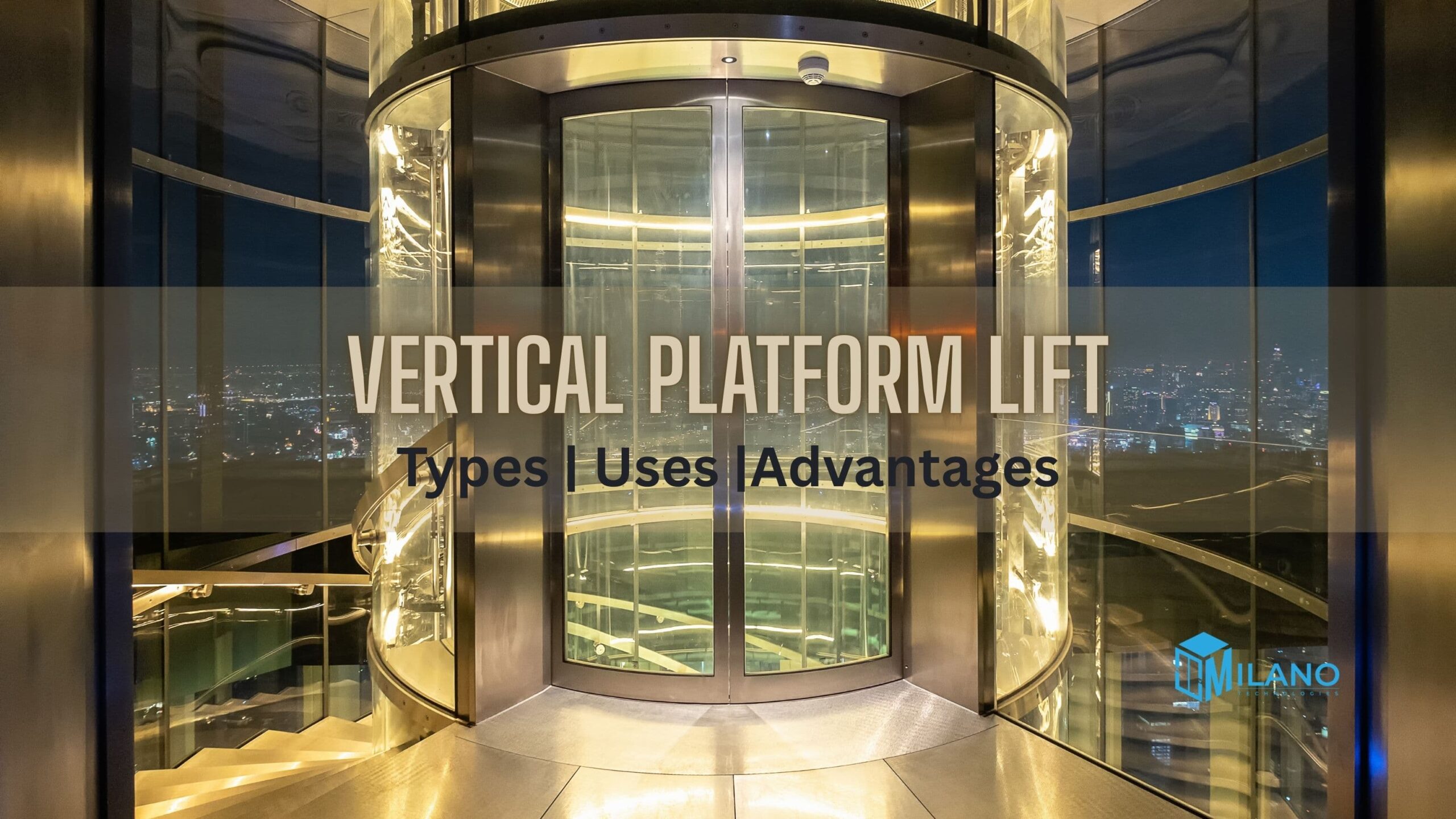
Vertical Platform Lift: Types, Uses, and Advantages
A Vertical Platform Lift (VPL) is a specialized lifting system designed to provide safe and convenient vertical access for individuals with mobility challenges. These lifts are commonly installed in residential, commercial, and public buildings to improve accessibility where traditional elevators or ramps may not be practical. A Vertical Platform Lift is an effective solution for overcoming small height differences such as stairs, raised entrances, and multi-level structures.
This complete guide explores the Vertical Platform Lift, its types, common uses, and advantages, helping property owners and facility managers understand how these systems improve accessibility and convenience. In many accessibility projects, platform lifts are also considered alongside other types of lifts, such as passenger elevators and stair lifts.
What Is a Vertical Platform Lift?
A Vertical Platform Lift is a mechanical device that raises and lowers a platform between different levels. Unlike a traditional passenger elevator, VPL systems are designed primarily for wheelchair users and individuals who require assistance moving between floors.
These lifts typically consist of:
- A sturdy platform for wheelchair access
- Guardrails or safety panels
- A hydraulic elevator or electrically driven lifting mechanism
- Safety controls and emergency stop systems
A Vertical Platform Lift is often installed where ramps would require too much space or where installing a full home elevator or commercial elevator system may not be feasible.

Types of Vertical Platform Lifts
Vertical platform lifts come in several types, each designed to meet different accessibility needs and building configurations. These lifts are often integrated as part of broader elevator & escalator solutions for modern buildings.
1: Hydraulic Vertical Platform Lifts
Hydraulic lifts use fluid pressure to move the platform between levels. They operate using a mechanism similar to a hydraulic elevator and are frequently employed in both residential and commercial environments.
Benefits of Hydraulic Platform Lifts
- Smooth and quiet operation
- Reliable lifting mechanism
- Suitable for moderate lifting heights
- High load capacity
These lifts are ideal for buildings that require consistent and stable vertical movement.
2: Screw Drive Platform Lifts
Screw drive lifts operate using a rotating screw mechanism that moves the platform up and down.
Advantages of Screw Drive Lifts
- Low maintenance requirements
- Durable mechanical design
- Precise movement control
- Suitable for indoor installations
This type of Vertical Platform Lift is commonly installed in homes and small commercial spaces.
3: Enclosed Vertical Platform Lifts
Enclosed platform lifts include protective walls or a shaft structure around the platform. They offer added safety and are suitable for both indoor and outdoor installations.
Features of Enclosed Platform Lifts
- Enhanced passenger safety
- Weather protection for outdoor installations
- Increased stability and durability
They are commonly used in schools, offices, and public facilities where accessibility is a priority.
4: Portable Vertical Platform Lifts
Portable lifts are lightweight and movable systems designed for temporary accessibility needs.
Benefits of Portable Platform Lifts
- Easy installation
- Flexible relocation
- Cost-effective accessibility solution
These lifts are useful for events, temporary structures, or locations where permanent installation is not possible.
Common Uses of Vertical Platform Lifts
A Vertical Platform Lift is widely used in environments where accessibility is essential.
1: Residential Accessibility
Homeowners often install a Vertical Platform Lift to help family members with mobility challenges move between floors or access elevated entrances.
Common residential applications include:
- Front porch access
- Garage entry
- Deck or patio access
- Multi-level homes
In many cases, these lifts serve as a practical alternative to a home elevator for houses with limited space.
2: Commercial Buildings
Businesses often install a Vertical Platform Lift to comply with accessibility regulations and improve customer access.
Examples include:
- Office buildings
- Retail stores
- Restaurants
- Hotels
These accessibility systems are often part of modern elevator & escalator solutions used in commercial construction projects.
3: Public Facilities
Vertical platform lifts are frequently used in public buildings where accessibility is required.
Common locations include:
- Schools and universities
- Hospitals and healthcare facilities
- Government buildings
- Libraries and community centers
These installations demonstrate the important use of elevator technology in creating inclusive and accessible spaces.

Advantages of Vertical Platform Lifts
A Vertical Platform Lift offers several benefits compared to ramps or traditional elevators.
Improved Accessibility
The primary advantage of a Vertical Platform Lift is providing safe and reliable access for wheelchair users and individuals with mobility limitations.
Space Efficiency
Ramps require significant space to meet slope regulations. A Vertical Platform Lift provides the same accessibility in a much smaller footprint.
Cost-Effective Solution
Compared to installing a full elevator system such as a passenger elevator or MRL Elevator, platform lifts are generally more affordable to install and maintain.
Easy Installation
Many vertical platform lifts can be installed with minimal structural modifications, making them suitable for existing buildings.
Key Factors to Consider Before Installing a Vertical Platform Lift
Choosing the right Vertical Platform Lift requires careful planning and evaluation.
- Available Space: Ensure there is enough room for the platform, safety barriers, and lifting mechanism.
- Weight Capacity: Most platform lifts support between 500 and 750 pounds, but higher capacity models are available.
- Indoor vs Outdoor Installation: Outdoor lifts require weather-resistant materials and protective enclosures.
- Local Accessibility Regulations: Many regions have accessibility standards that must be followed when installing lifts in public buildings.
Conclusion
A Vertical Platform Lift plays a vital role in improving accessibility for individuals with mobility challenges. With various options available, including hydraulic, screw drive, enclosed, and portable models, this lift system offers flexible solutions for residential, commercial, and public spaces.
By offering enhanced safety, space efficiency, and cost-effective installation, a Vertical Platform Lift helps create inclusive environments where everyone can move freely and safely between levels.